Some links in this post are affiliate links. If you buy through them, I may earn a commission at no extra cost to you. This post is general information, not medical advice. Talk to your pediatrician about your child’s diet.
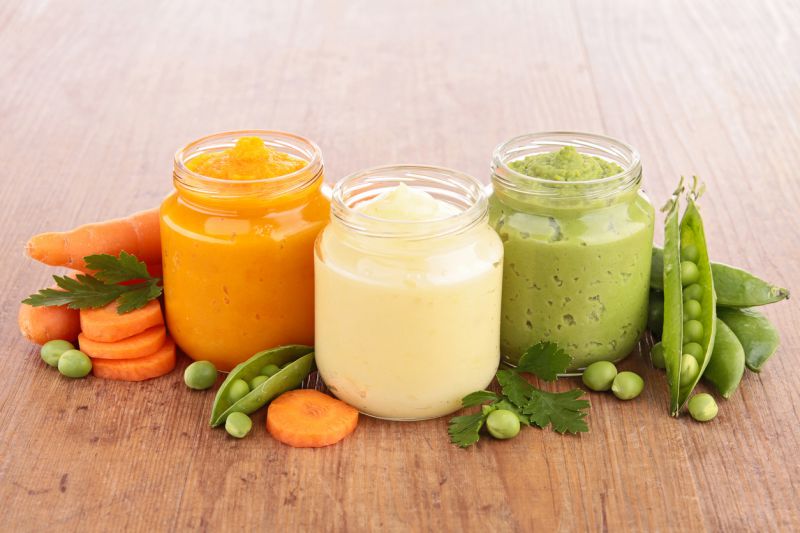
When I first read the headlines about heavy metals in baby food, I panicked and wanted to throw out my whole pantry. Here’s what I learned instead: the problem is real, but it’s manageable, and a few simple swaps make the biggest difference.

What the research found
A 2019 report from the advocacy group Healthy Babies Bright Futures tested 168 baby foods and found that 95% contained at least one of four heavy metals: arsenic, lead, cadmium, and mercury. These metals occur naturally in soil and water, so plants absorb them as they grow. Babies are more vulnerable because their brains are developing fast and they eat a lot relative to their size.
The biggest single source was rice. Rice absorbs more arsenic from the soil than other grains, which makes infant rice cereal, rice puffs, and rice teething crackers the top foods to rethink.
What’s changed since
- The FDA launched “Closer to Zero” in 2021, a plan to lower heavy metals in foods for babies and young children over time.
- Arsenic: the FDA set a 100 parts-per-billion limit for inorganic arsenic in infant rice cereal.
- Lead: in January 2025, the FDA finalized its first lead limits for packaged baby food: 10 parts per billion for most fruits, vegetables, mixed meals, yogurts, and meats, and 20 parts per billion for single-ingredient root vegetables and dry infant cereals.
- California now requires testing and disclosure. Since 2024, baby food sold in California must be tested monthly, and brands must post the results online. Look for a QR code or a “test results” page on the brand’s website.
Simple swaps that make the biggest difference
- Infant cereal: choose oatmeal, barley, or multigrain instead of rice cereal.
- Snacks: choose rice-free puffs and snacks, or real food like banana, avocado, soft-cooked veggies, cheese, and yogurt.
- Teething: skip rice rusks and teething biscuits. A chilled (not frozen) teether or a cold, wet washcloth works well.
- Cooking rice for the family: cook it like pasta, in lots of extra water, then drain. The FDA has found this lowers arsenic significantly.
- Drinks: the AAP recommends no juice before age 1. Water and milk are best.
- Variety is your best tool. Rotate fruits, veggies, and grains instead of serving the same few foods every day. Carrots and sweet potatoes are nutritious, just don’t serve them at every meal.
Our rice-free snack pick
Most baby puffs are made mostly of rice or corn. Mission MightyMe makes puffs from peanuts and other nuts instead, which also makes them an easy way to introduce common allergens. Talk to your pediatrician about when and how to introduce allergens, especially if your baby has severe eczema or a known food allergy.
Reader code: use NEWMOMPRODUCTMUSTHAVES15 for 15% off at Mission MightyMe.
The bottom line
You can’t get heavy metals to zero, and you don’t need to feel guilty about every pouch. Cutting back on rice-based foods, skipping juice, and serving a wide variety of foods does most of the work. If you’re worried about lead exposure, ask your pediatrician about a blood lead test, which is routinely done around ages 1 and 2 in many states.
Keep reading: starting solids must haves · baby and toddler snack board ideas · oat recipes and baby food protein hacks
Sources: U.S. Food and Drug Administration, Closer to Zero and “Action Levels for Lead in Processed Food Intended for Babies and Young Children” (January 2025); Healthy Babies Bright Futures, “What’s in My Baby’s Food?” (2019); American Academy of Pediatrics guidance on fruit juice.


Leave a Reply